Home · Roofing Materials
Materials Guide · Ogden & Northern Utah
We install all of these. That's exactly why we don't need to talk you into any particular one. Here's what each material actually does well, where it falls short, and which roofs it belongs on.
For most Utah homes, architectural asphalt shingles are the best value: strong wind ratings, a 20–30 year life, and the lowest installed cost. Standing-seam metal is the step up for longevity and snow shedding. Synthetic gets you a slate or cedar-shake look without the weight of stone or the upkeep of wood, genuine tile and slate are for homes framed to carry them, and a flat-roof membrane, either TPO or modified bitumen, covers the low-slope sections shingles can't. The right answer depends on your roof's pitch, framing, and your budget. That's what a free inspection settles.
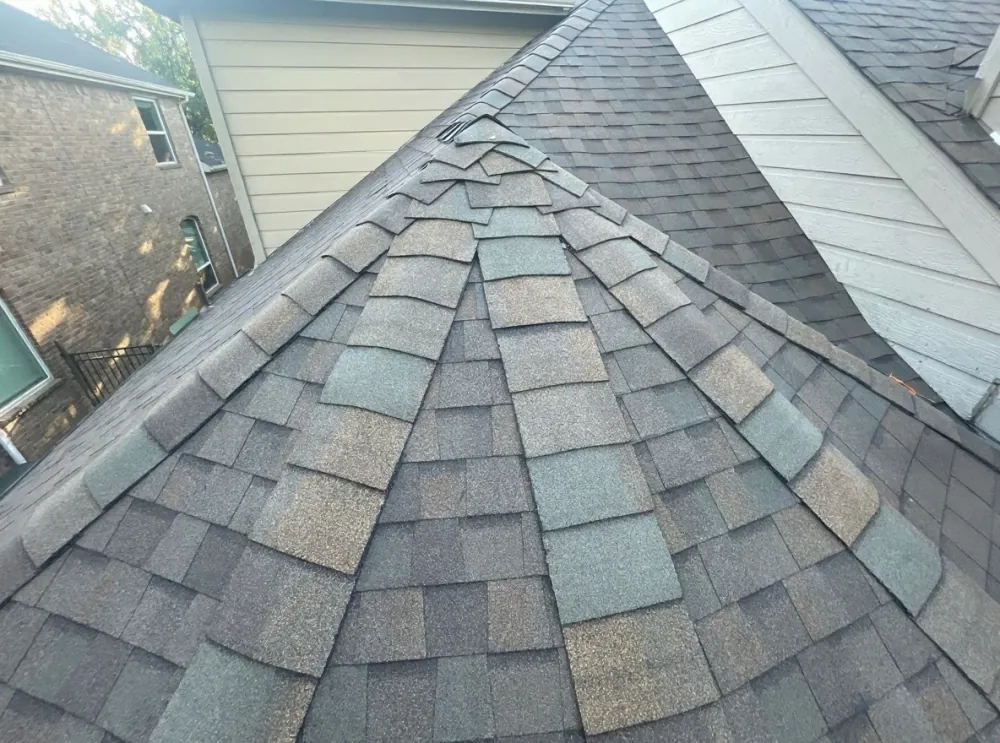
The workhorse
You'll see architectural shingles on most Northern Utah homes because the money makes sense: the lowest installed cost of any material we put on a roof, and they hold up. The laminated build is the modern standard. They're thicker, dimensional, and wind-rated far beyond the old 3-tab style, which matters in a county that catches canyon gusts every year. Expect about 20 to 30 years of life from a quality architectural shingle here, with attic ventilation deciding more of that range than the brand on the bundle.
A full replacement typically runs $12,000–$30,000 depending on size, pitch, and the shingle you choose. We install GAF, Owens Corning, CertainTeed, Atlas, and TAMKO.
UL 2218 is the standard impact test for roofing. A lab drops steel balls on the shingle from set heights to stand in for hailstones, and Class 4 is the top rating a shingle can earn. Northern Utah catches hail most summers, and a Class 4 architectural shingle takes those strikes with far less cracking and granule loss than a standard one. It's a middle path: hail toughness without the price jump to synthetic or metal, and most of the brands we install make a Class 4 line.
One more reason to ask about it: many insurers discount premiums on homes with a Class 4 roof. The discount varies by company and policy, and some don't offer one at all, so check with your insurer before counting on savings. We can tell you what the upgrade costs. Only your insurer can tell you what it saves.
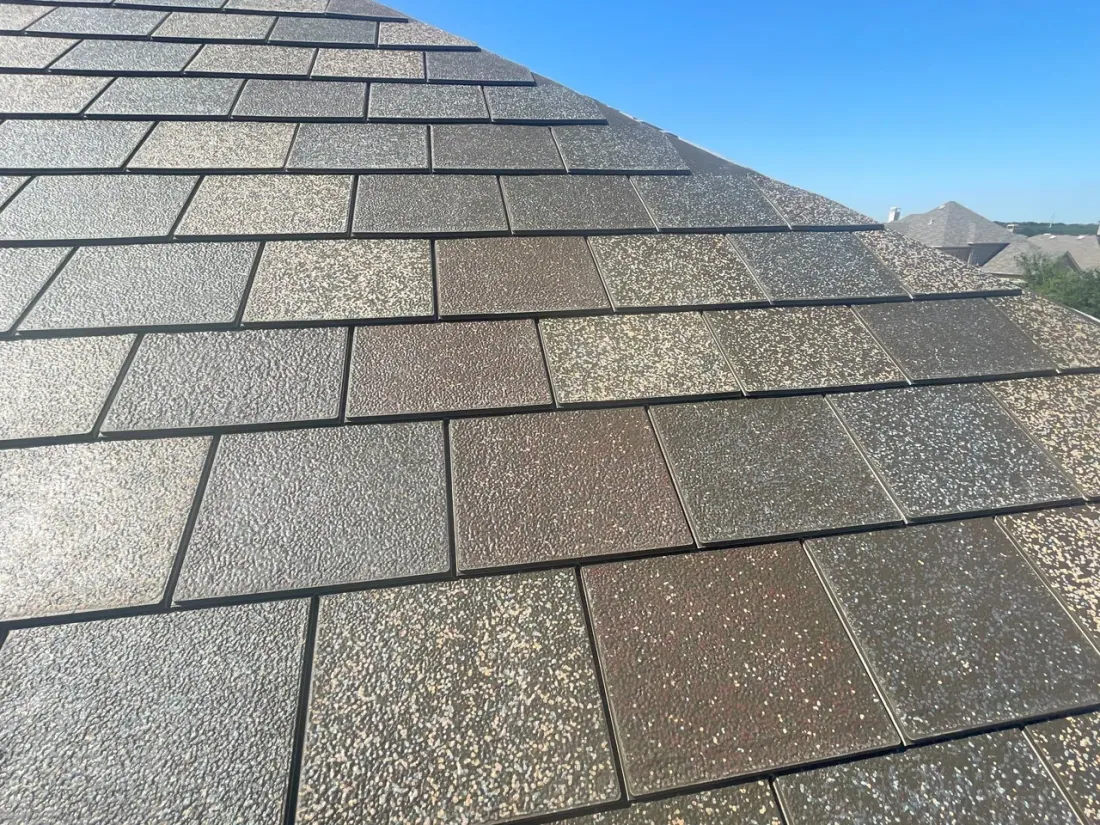
The premium look
Polymer molded to look like quarried slate or hand-split cedar shake. Each one solves a different problem. Against slate, the argument is weight: composite runs about 200 to 350 pounds per roofing square against 700 to 1,200 for the real stone, so most homes carry it on existing framing instead of needing structural work first. Against cedar, the argument is upkeep: real wood shakes weigh about the same, but they rot, curl, and split, and they need a treatment cycle to reach their rated life. Synthetic skips all of it.

F-Wave REVIA, shown here, is one of the synthetic shingles we install, alongside DaVinci composite slate and shake and CeDUR synthetic cedar. It's a solid polymer shingle with no asphalt and no granules, molded in slate and hand-split shake profiles.
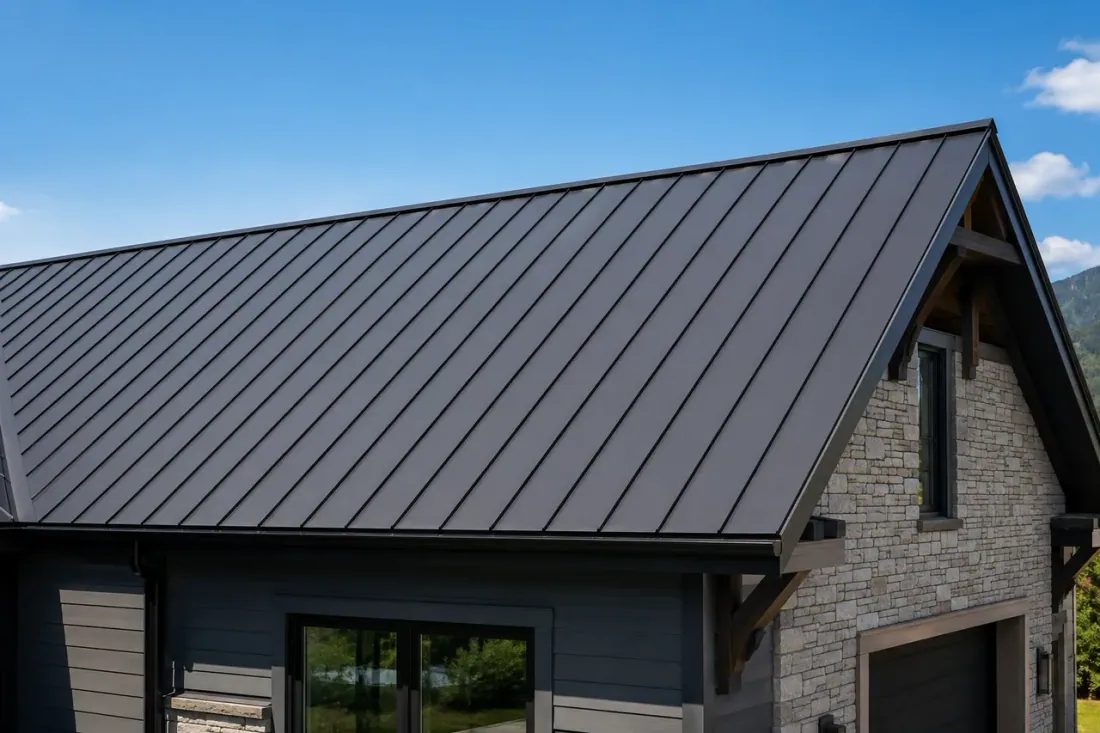
The forever roof
Concealed-fastener metal panels that shed snow instead of stacking it and shrug off the freeze-thaw cycles that age shingles. It's the premium choice for a forever home: a significant step up from asphalt, quoted per roof because panel type and roof complexity move it too much for a useful blanket range. But you buy the roof once. Manufacturer finish warranties commonly run 30–50 years on top of our workmanship warranty.
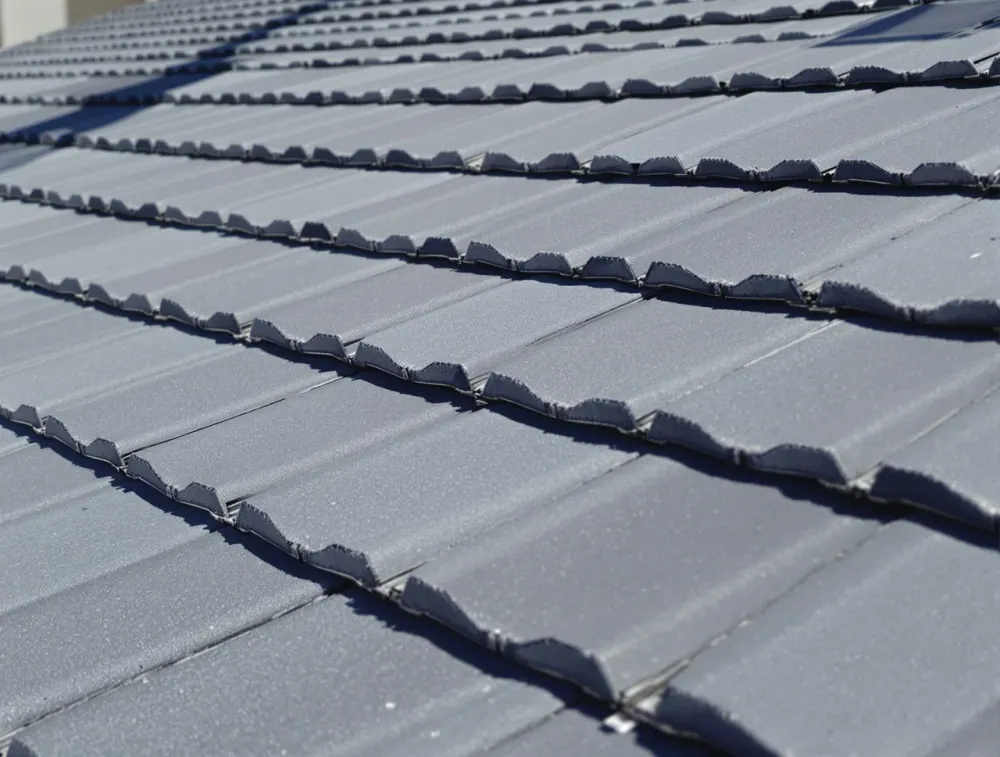
The genuine article
Concrete tile, clay tile, and quarried slate give a home a look nothing else matches, and slate outlasts the people who install it. The catch on all three is weight. They run several times what asphalt weighs, so your framing has to be built for the load or verified by an engineer, and they need installers who know the material. In our climate the tile also has to be rated for freeze-thaw or winters will flake it apart.
If your home already has tile or slate, individual repairs and underlayment replacement (the layer that actually fails first) usually beat a full tear-off, and we check the structure before quoting either one. If you have a slate roof, don't let a generalist walk on it. Broken slates multiply fast underfoot.
Choosing this look from scratch is a different question. For most homes, synthetic gets you there at a fraction of the weight and cost. When the genuine material is the right call, usually a historic home or one already framed for it, we'll say so.
The flat-roof answer
Shingles need slope to shed water. Flatten a roof out past what they can handle and water sits on it instead of running off. That's additions, porch roofs, mid-century flat sections, and small commercial buildings. Two systems cover almost all of it. TPO is a heat-welded single-ply sheet and the modern default. Modified bitumen is an asphalt-based membrane that goes down in layers, torch-applied, self-adhered, or cold-applied, and it's often the better answer on a small section or a roof with a lot of penetrations to detail around. Either way the details decide everything: seams, drainage paths, and flashing terminations. Done right it's watertight for decades; done cheap it ponds and leaks. If part of your roof is flat and part is shingled, we handle both in one job.
Your roof's pitch and framing rule some options in or out before taste even enters it. Then it's budget, how long you plan to own the home, and what Utah's wind, snow, and sun will do to each option on your specific roof. We lay that out straight and let you pick.
Upsell you into the priciest roof on the menu. If architectural shingles are the right answer for your house (and for most houses here, they are), that's what we'll tell you, even though other materials cost more.
See real cost breakdowns →Materials FAQ
Standing-seam metal and properly installed architectural shingles both perform well. And on shingles, the installation matters as much as the product: high-wind nailing patterns and sealed edges are what keep a roof on through canyon gusts. That's workmanship, not just material.
Slate, then tile, then standing-seam metal, all measured in generations or half-centuries. Among practical choices for most homes, metal's 40–50+ years leads, with architectural asphalt's 20–30 years as the value baseline.
Only if the framing was designed for the load or gets reinforced. Both materials weigh several times what asphalt does. We verify the structure before quoting either one; putting heavy roof on light framing is how sagging starts.
A full asphalt-shingle replacement typically runs $12,000–$30,000 in our area, depending on size, pitch, and product. Metal, synthetic, tile, and slate are quoted per roof. The structure and material grade move the number too much for a useful blanket figure. After a free inspection, you get an exact written price for your roof. Full cost breakdown →
Free inspection
Tell us a little about your roof and we'll get right back to you. Prefer to talk now?
Calls returned within the hour · Mon–Sat
952 28th St, Suite D · Ogden, UT 84403
Serving Ogden & Northern Utah · Locally owned & operated
That's the point of the free inspection: we look at what you have, and recommend what actually fits.